How to Accept Things You Cannot Change: Finding Peace with Life
Some situations can be changed with effort. Others ask us to find the strength to accept what we cannot change and learn to live again without regret.
By Shwetha B R | 26, Oct, 2026 05:54 AM

When Life Doesn't Give Us a Choice
Life does not always ask for our permission before changing everything.
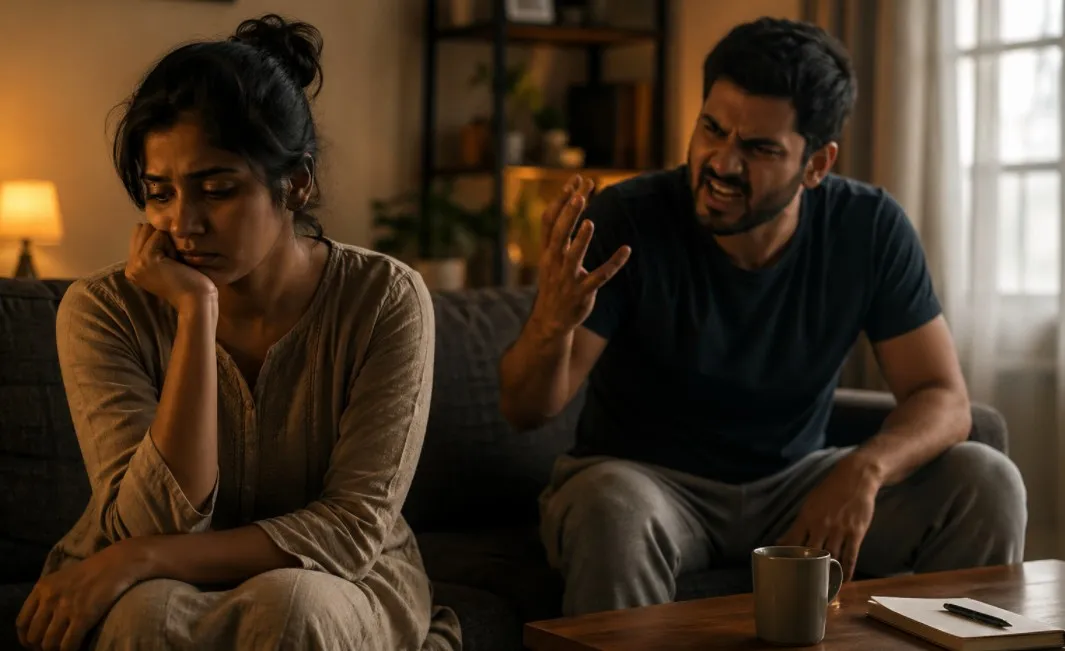
One day, we are living comfortably with our loved ones. The next, we may be standing beside a hospital bed, saying goodbye to someone we never imagined living without. A family may have to move to another place because of a job transfer. A health condition may change the life we had carefully planned. Parents may welcome a child with a disability and find themselves facing a future they never expected. Someone may marry a person they love, only to discover that their values, thinking, and expectations are very different.
These are not situations we always choose. Yet we have to live with their consequences.
We may ask, "Why did this happen to me?" We may wish things had turned out differently. Sometimes, we spend years searching for a reason or imagining how life would have been if circumstances had changed.
But wishing cannot bring back a person who has died, undo a medical condition, or make another person think and behave exactly as we want.
Some of life's hardest lessons begin when we realise that wanting something to change cannot always make it change.
Why Is Acceptance So Difficult?
Our minds naturally look for solutions when something goes wrong. We believe that if we think enough, try harder, or find the right answer, we can somehow fix the situation.
This approach is useful when a problem can be solved. But it becomes exhausting when we keep searching for a solution to something beyond our control.
Psychologists call repeated, unproductive thinking about distressing experiences rumination. We revisit the same questions, replay painful moments, and imagine different outcomes. Although we may feel that we are solving the problem, we often end up feeling more helpless and emotionally drained.
Consider someone who has lost a loved one. Thinking about the last conversation may bring regret: "I should have called one more time." But no amount of replaying that moment can change the loss.
The person is not suffering only because of what happened but also because their mind keeps fighting a reality it cannot reverse.
This does not mean we should stop caring or pretend that pain does not exist. It means recognising when reflection has stopped helping us and started keeping us trapped.
Know What You Can Change and What You Cannot
Not every difficult situation requires acceptance alone. Sometimes, we need to act.
If your health is deteriorating, you can seek medical care and make changes that support your well-being. If your partner's behaviour hurts you, you can communicate, set boundaries, or seek counseling. If a transfer separates you from your family, you can explore available options and find ways to stay connected.
Our efforts matter. We should not use acceptance as an excuse to avoid responsibility or remain in a situation that can be improved.
However, our efforts cannot guarantee the outcome we want. A treatment may not restore health completely. A partner may refuse to understand us. A transfer may not be cancelled. Some circumstances may remain unchanged despite our best efforts.
This is where we need to recognise the difference between what is within our control and what is not.
We can influence our choices, but we cannot control every outcome. We can express our feelings, but we cannot force someone to share our mindset. We can care deeply for another person, but we cannot protect everyone from every hardship.
Trying our best is our responsibility. Controlling everything is not.
Acceptance Is Not Giving Up
Imagine parents who learn that their child has a developmental disability. They may experience fear, sadness, confusion, and grief for the future they had imagined. They may wonder why this happened and worry about how their child will manage life.
They do not have to suppress these feelings or immediately pretend to be strong. They deserve time, support, and space to understand their new reality.
Gradually, acceptance may help them shift their attention from asking, "Why isn't my child's life the way I expected?" to asking, "How can I help my child live the best life possible?"
The child's needs may remain, but the family's relationship with reality can change. Instead of spending all their energy wishing the situation were different, they can use that energy to seek support, build skills, and create meaningful experiences.
That is what acceptance can do. It does not always change the situation, but it can change how we respond to it.
Acceptance is not saying that everything is fine. It is deciding that even when everything is not fine, life still deserves to be lived.
Learn to Move Forward Without Regret
Moving forward does not mean forgetting what happened or never feeling sad about it again. It means allowing the past to be part of your story without making it the centre of your entire life.
If you have made a mistake, learn from it. If you have hurt someone, apologise where possible. If a relationship can be repaired, make an honest effort. But when you have done what you reasonably can, and the outcome still cannot be changed, continuing to punish yourself will not make things right.
Ask yourself: "Is there something useful I can still do, or am I only hurting myself by wishing the past were different?"
If action is possible, take it. If nothing more can be changed, permit yourself to stop fighting yesterday.
You may need to grieve. You may need to adjust your expectations. You may need help from people you trust. Acceptance is a process, not a decision that makes every painful feeling disappear overnight.
And remember, accepting a situation does not mean accepting mistreatment. You can accept that someone has a different mindset while deciding what boundaries you need. You can accept a health limitation while seeking the best possible care. You can accept a loss while continuing to cherish the love that remains.
Peace Begins When We Stop Fighting Reality
Life will not always give us the people, health, opportunities, or circumstances we hoped for. Some changes will be welcome. Others will break our hearts. And some realities may never make sense to us.
We do not have to like every situation. We do not have to call every hardship a blessing. We only need to recognise that our lives cannot remain on hold until everything becomes the way we want.
There is still a life to live, relationships to nurture, kindness to share, and small moments of happiness waiting to be experienced.
You can wish that things had been different and still choose to live meaningfully with what is.
Perhaps peace does not come from finding a way to change everything. Perhaps it comes from knowing when to keep trying, when to let go, and when to accept that life has taken a path we never planned.
We cannot always choose what happens to us. But with time and support, we can learn to choose how we live with it.
And sometimes, that is where healing begins.