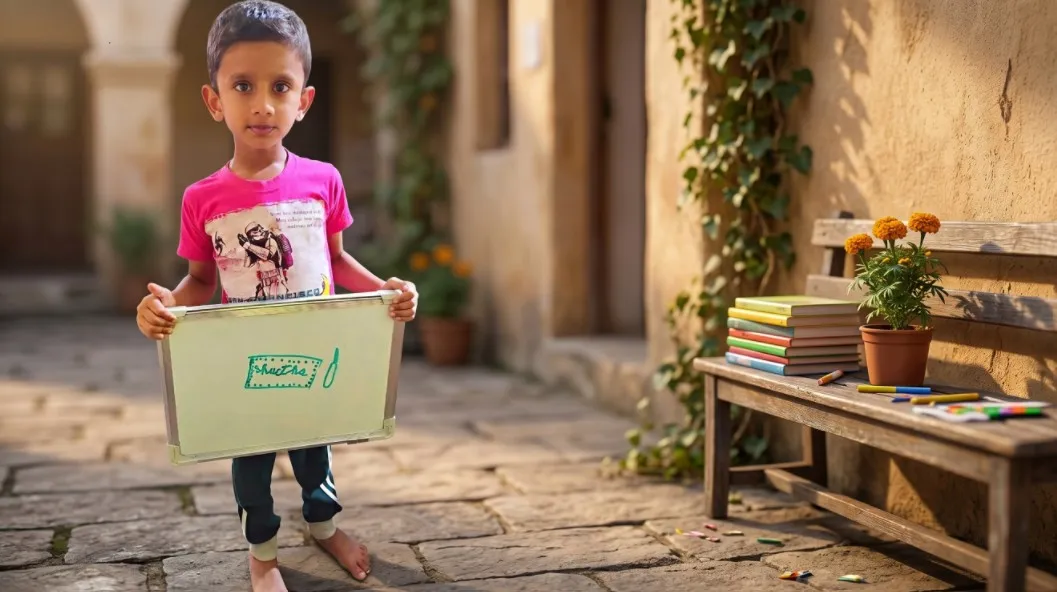
He Didn’t Fail… He Just Started Believing He Wasn’t Good Enough
Sometimes, the deepest wound a child carries is not caused by failure... but by believing that no matter how hard they try, they will never be enough.
By Shwetha B R | 03, Apr, 2026 05:05 PM
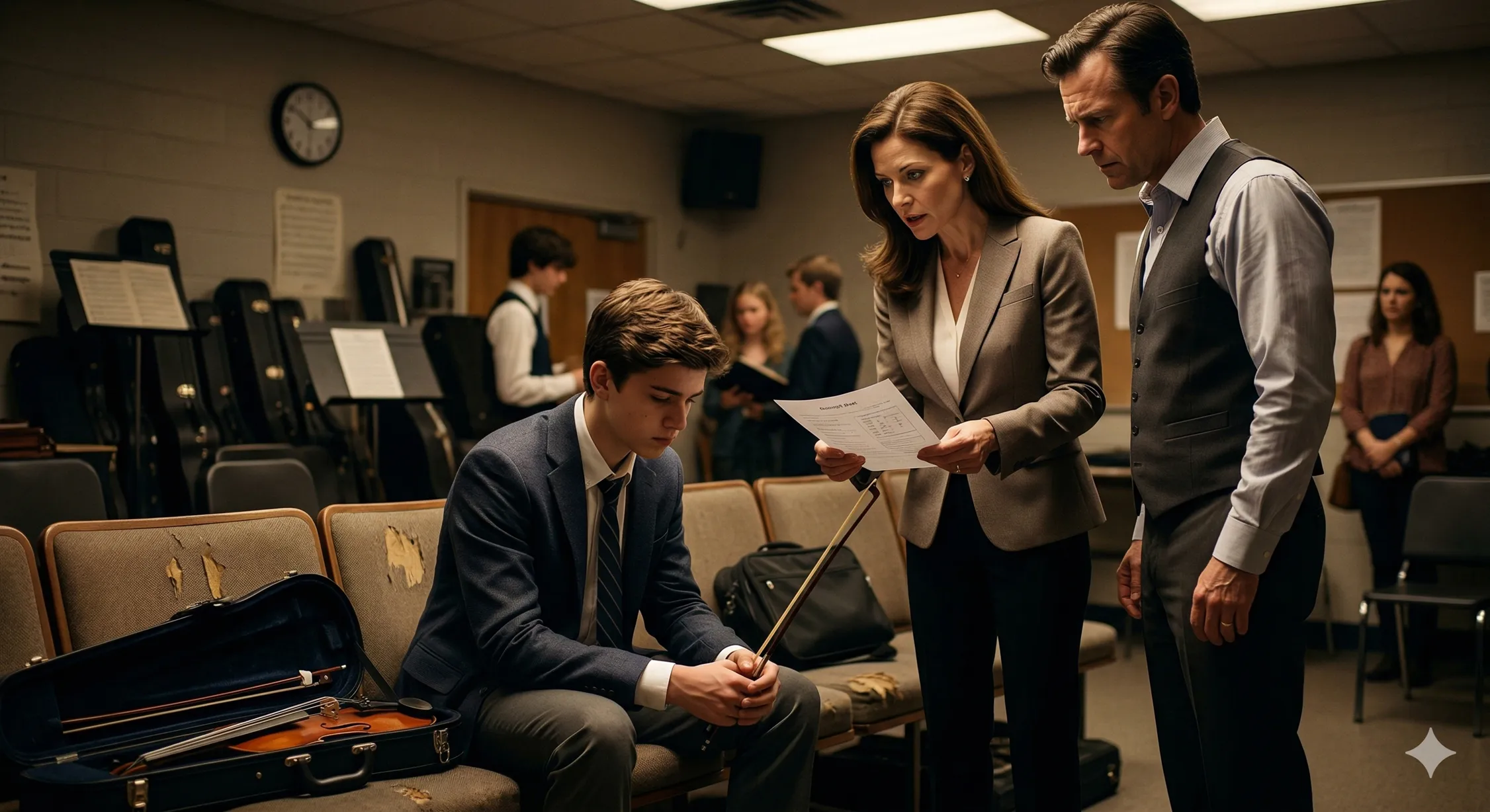
Every child begins their journey believing they can do anything.
They raise their hands with confidence.
They answer questions without fear.
They proudly run home to show a drawing, a test paper, or a small achievement, hoping to hear just one sentence:
"Well done. I'm proud of you."
But what happens when that sentence rarely comes?
What happens when another expectation follows every achievement?
When every effort is met with, "You could have done better."
Children don't stop trying overnight.
They slowly stop believing in themselves.
This is the story of Rohan.
Rohan was not careless.
He wasn't lazy.
He wasn't the kind of child who avoided responsibility.
Every morning, he woke up on time, packed his school bag neatly, completed his homework, and revised his lessons before going to bed.
He wasn't studying because someone forced him to.
He studied because he genuinely wanted to make his parents proud.
Like many children, his dream wasn't to become the class topper.
His dream was much simpler.
He wanted to see his parents smile because of him.
Every exam felt like another opportunity to earn that smile.
But every result day ended almost the same way.
"If only you had scored a few more marks."
"Look at how well your friend did."
"We know you can do better."
His parents never shouted.
They never punished him.
They loved him deeply.
But without realising it, they made one small mistake that many loving parents make.
They appreciated the result...
but overlooked the effort.
At first, Rohan believed he simply needed to work harder.
So, he did.
He studied longer.
He stopped playing outside.
He gave up watching his favourite cartoons.
Sometimes he stayed awake late into the night, reading the same chapter repeatedly, hoping that the next test would finally be good enough.
Yet when the results came...
The questions remained the same.
"Why not full marks?"
"What happened to those missing five marks?"
Nobody asked.
"Did you enjoy learning?"
"Was the paper difficult?"
"Are you feeling tired?"
"Did you try your best?"
Slowly, studying stopped being exciting.
It became frightening.
The books hadn't changed.
The classroom hadn't changed.
Only the feeling inside him had.
Something invisible had started happening.
Every time Rohan heard another comparison...
another criticism...
another reminder that he could do better...
His confidence became a little smaller.
Children rarely say,
"My self-esteem is decreasing."
Instead, it appears differently.
They stop raising their hands.
They erase answers before submitting them.
They apologise even when they aren't wrong.
They become afraid of making mistakes.
Because mistakes no longer feel like opportunities to learn.
They begin to feel like proof that they are not good enough.
That was exactly what was happening to Rohan.
His effort stayed the same.
But his belief slowly disappeared.
And once belief disappears, even talent begins to hide.
One afternoon, after another exam, Rohan quietly placed his school bag in a corner.
His mother asked how the exam had gone.
He looked down and softly replied,
"Even if I try... It's never enough."
It wasn't anger.
It wasn't frustration.
It was something much heavier.
It was acceptance.
A child had started believing that nothing he did would ever be good enough.
Those few words carried months of silent pressure.
Months of comparison.
Months of feeling that love had conditions attached to achievement.
For the first time, his parents stopped looking at the marks.
They looked at their son.
And what they saw frightened them.
Not poor grades.
But a child is slowly losing confidence in himself.
That evening, something changed inside the home.
His father didn't ask,
"How many marks did you get?"
Instead, he asked,
"Did you give your best?"
His mother didn't compare him with another child.
She smiled and said,
"We noticed how hard you've been working."
For the first time in many months, Rohan felt heard instead of judged.
The pressure in his heart became a little lighter.
Nobody lowered expectations.
They simply replaced pressure with support.
Correction with conversation.
Comparison with encouragement.
The change wasn't immediate.
Confidence rarely returns overnight.
But little by little...
Rohan smiled more often.
He laughed without worrying about tomorrow's test.
He began asking questions in class again.
He stopped studying because he was afraid of disappointing others.
He started studying because he wanted to learn.
Ironically, as the fear disappeared...
His marks improved, too.
Not because someone pushed him harder.
But because his mind finally felt safe enough to perform.
The Psychology Behind the Story
Children build their self-worth from the reflections they receive from the adults who matter most.
When appreciation depends only on performance, children often begin to believe that their value also depends on performance.
Over time, this creates self-doubt, fear of failure, perfectionism, and anxiety.
But when children feel accepted even while they are learning, making mistakes, and growing, something remarkable happens.
They become more confident.
More resilient.
More willing to try again after failure.
Because encouragement doesn't reduce effort.
It strengthens it.
A Thought to Carry
Children don't need parents who expect perfection.
They need parents who notice progress.
They don't need constant reminders about where they fell short.
They need someone who reminds them that they are more than a report card.
Because a child who grows up believing,
"I am enough."
will never stop trying to become even better.
Sometimes, the greatest gift we can give a child isn't higher expectations.
It's the confidence to believe that they are already worthy of love, even before they succeed.