The Father Who Never Said “I Love You”
Sometimes love is not spoken. It is hidden in the things a father does every day.
By Shwetha B R | 08, Aug, 2026 06:07 PM

"A father's love doesn't need words. You can feel it in the way he cares, protects, and stays silent just to see you smile."
Some fathers say, “I love you” without ever using those three words.
They wake up before everyone else.
They leave home while the family is still sleeping.
They come back tired, sometimes carrying the weight of a difficult day on their shoulders.
They ask, “Did you eat?”
They remind their children to study.
They worry about school fees, medical bills, electricity bills, rent, groceries, and a hundred other things nobody notices.
But they rarely say the words their children secretly wait to hear.
"I love you.”
And sometimes, years later, the child wonders:
Did my father ever really love me?
That question can stay buried in the heart for decades.
He loved you. He just spoke a different language
Many fathers grew up in homes where emotions were not discussed.
Nobody asked them how they felt.
Nobody taught them how to express fear, sadness, loneliness, or affection.
A boy was often taught to be strong.
Don't cry.
Don't complain.
Don't show weakness.
Work hard.
Take responsibility.
Protect your family.
So, when that boy eventually became a father, he carried those lessons with him.
He knew how to provide.
He knew how to protect.
He knew how to solve problems.
But he may never have learned how to say,
"I am proud of you.”
Or,
"I missed you.”
Or simply,
"I love you.”
This does not mean every emotionally distant father is secretly loving. Some fathers genuinely fail their children emotionally, and we should not romanticise neglect.
But sometimes silence is not the absence of love.
Sometimes it is the result of a person who was never taught how to express it.
His love may have looked ordinary
Your father may never have written you a long letter.
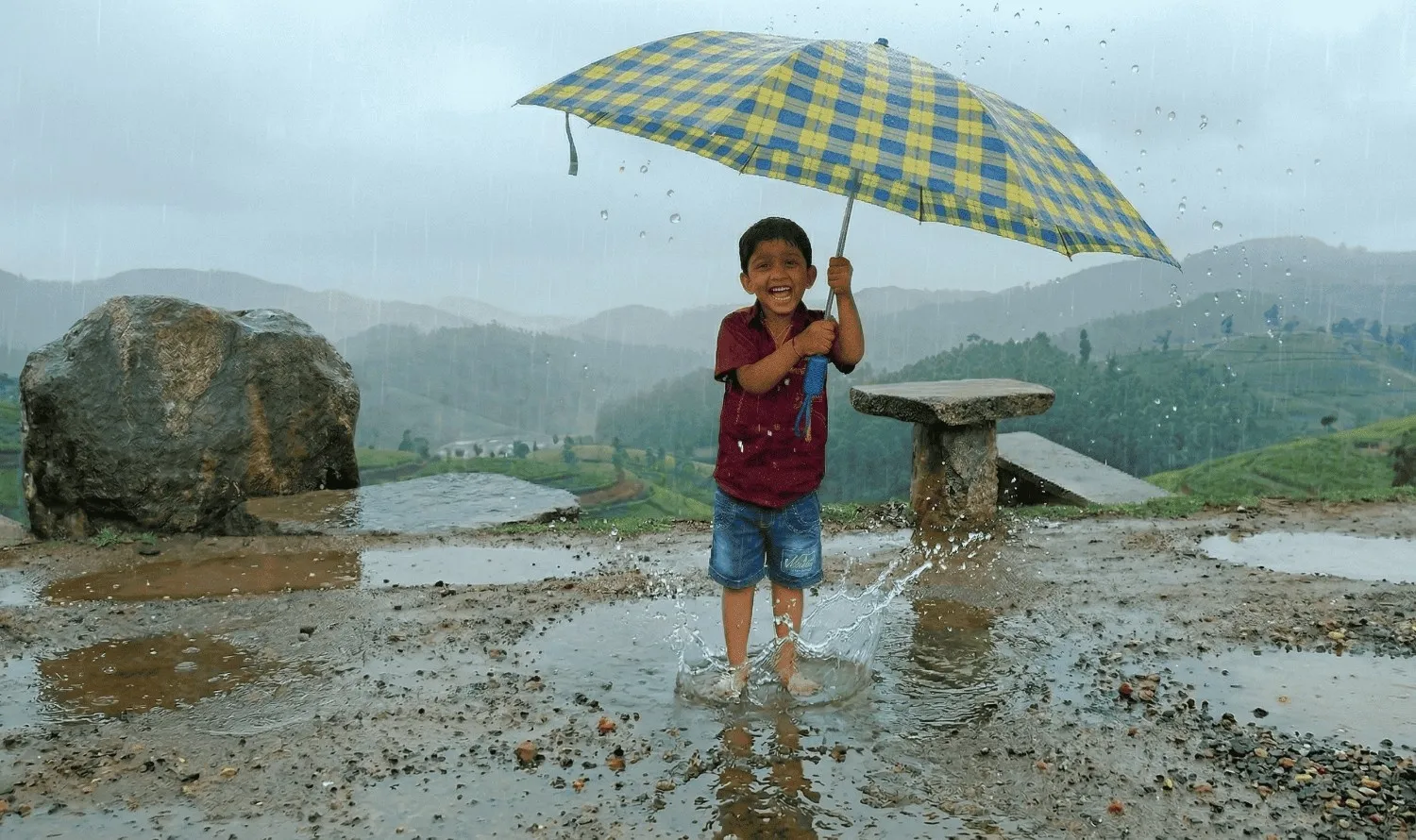
But perhaps he waited outside the school gate when it rained.
Maybe he quietly left money on the table when you needed it.
Maybe he travelled miles to attend your school function, even though he sat in the corner and barely spoke.
Maybe he complained when you came home late.
At the time, you may have thought:
Why does he always question me?
Years later, you may understand the following:
He was worried about me.
Sometimes love arrives disguised as responsibility.
A father may not say,
"I am worried about you.”
He may simply ask,
"Where were you?”
He may not say,
“I want you to succeed.”
He may say,
"Have you finished studying?”
He may not say,
"Take care of yourself.”
He may say,
"Don't travel so late.”
The words can sound ordinary.
The emotion behind them may not be.
Children don't always understand the psychology of a parent's silence
As children, we naturally look for emotional signals.
A hug.
A smile.
A compliment.
A gentle conversation.
Words of appreciation.
When those things are missing, a child may create their own explanation.
Maybe I am not important.
Maybe Dad doesn't care.
Maybe he loves my brother more.
Maybe I am never good enough.
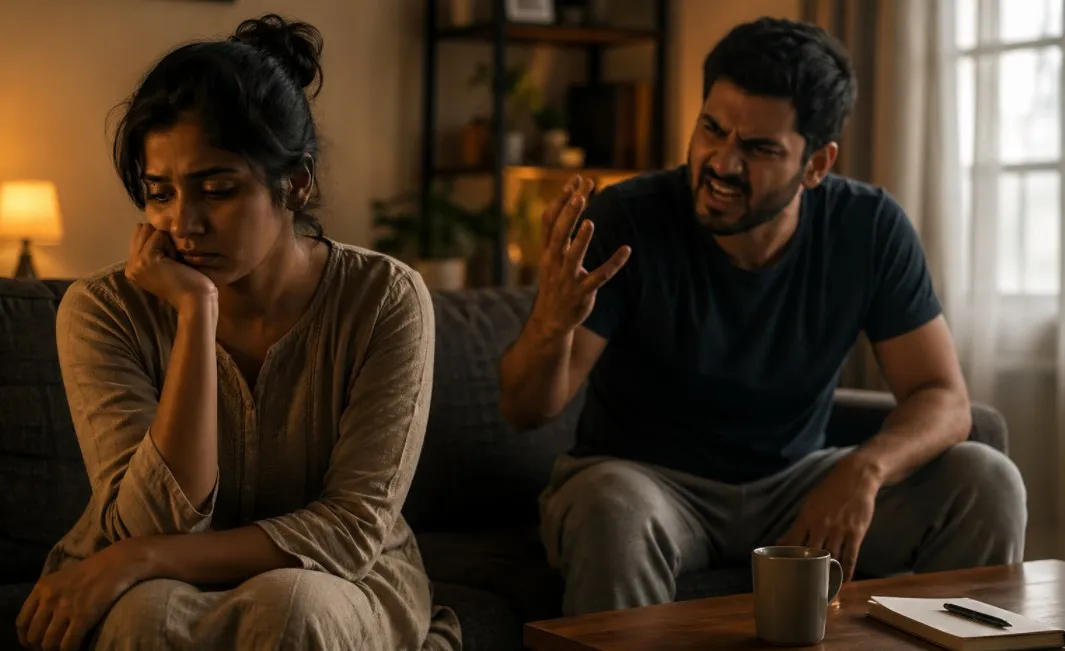
This is where silence can become psychologically powerful.
Children don't always understand that adults have emotional limitations.
They often interpret a parent's behaviour as a reflection of their own worth.
That can shape the way they see themselves for years.
A child who rarely receives verbal affection may grow into an adult who constantly seeks reassurance.
They may struggle to believe that someone genuinely loves them.
They may become uncomfortable receiving affection.
Or they may spend their entire life trying to earn the approval they once wanted from their father.
One person's silence can sometimes become another person's lifelong insecurity.
And then the child grows up
Something strange happens as we grow older.
We begin to see our parents differently.
When we are children, we see our father as someone who is supposed to know everything.
As adults, we slowly realise that he was learning too.
He was once someone's son.
He had his own fears.
His own failures.
His own disappointments.
His own dreams.
Perhaps nobody ever taught him how to be emotionally vulnerable.
Perhaps he thought providing food, education, shelter and security was the clearest way to say,
“I love you.”
And maybe it was.
Just not in the language you were waiting for.
But there is another side we shouldn't ignore
Understanding your father's emotional limitations does not mean you have to pretend that your childhood pain never existed.
Both things can be true.
He may have loved you deeply.
And
you may still have been hurt by the way he expressed that love.
You can understand his generation without denying your own feelings.
You can forgive him without pretending everything was perfect.
You can appreciate what he did while acknowledging what you needed and didn't receive.
Healing does not require us to rewrite the past.
Sometimes it simply requires us to understand it more honestly.
One day, the roles begin to change
There comes a time when the strong father starts needing help.
His hands become slower.
His steps become shorter.
His voice becomes softer.
The person who once carried you may need someone to hold his hand.
And suddenly, you notice things you were too young to notice before.
The tiredness in his eyes.
The grey in his hair.
The medicines beside his bed.
The way he struggles to get up.
And perhaps you remember all those mornings when he left home before sunrise so you could have a better life.
You may suddenly realise something painful:
You spent years waiting for him to say “I love you,” while he spent those same years trying to show it.
If your father is still here, don't wait forever
This is not a story about fathers alone.
It is also about us.
We often complain that our parents don't express their feelings.
But how often do we express ours?
We expect our fathers to say the words.
Yet sometimes our own pride stops us from saying them first.
Call him.
Sit beside him.
Ask him about his younger days.
Listen to stories you've heard before.
Buy him something small.
Hold his hand.
And if you can, say the words.
“I love you, Dad.”
He may laugh awkwardly.
He may change the subject.
He may simply say, “Hmm.”
Don't misunderstand that either.
Some people spend an entire lifetime learning how to receive love.
Because one day, the conversation may not be possible
There is a cruel truth about life.
We often understand the value of someone's presence when their presence is no longer available.
The chair remains.
The photographs remain.
The old watch remains.
The clothes remain.
The memories remain.
But the voice is gone.
And then we would give anything to hear one more ordinary sentence.
“Did you eat?”
“Where are you going?”
“Come home early.”
At that moment, we may realise that those ordinary questions were never ordinary.
They loved wearing everyday clothes.
So, if your father never said,
“I love you,”
Don't measure his entire love only by the words he couldn't say.
Look at the life he built around you.
Look at the sacrifices you didn't understand as a child.
Look at the responsibilities he carried quietly.
And if there were things he should have said but didn't, allow yourself to acknowledge that pain too.
Because love can be real and imperfect at the same time
And perhaps the most beautiful thing we can do is end the silence with our generation.
Say what you feel.
Hug your children.
Tell your parents you love them.
Don't make the people you love spend their entire lives trying to decode your silence.
Some words take only a few seconds to say, but their absence can be carried for a lifetime.
Author’s Note
Did your father ever say, “I love you,” or did he show it through his actions?
What is one thing your father did that made you feel loved, even without words?
Share your story in the comments -you may help someone see their father’s love differently.