More Than a Game: How Athletics Builds Strong Bodies, Confident Minds, and Better Human Beings
Athletics is not just about winning medals. It helps children and adults develop physical strength, emotional resilience, discipline, confidence, and life skills that last a lifetime.
By Shwetha B R | 07, May, 2026 07:38 AM
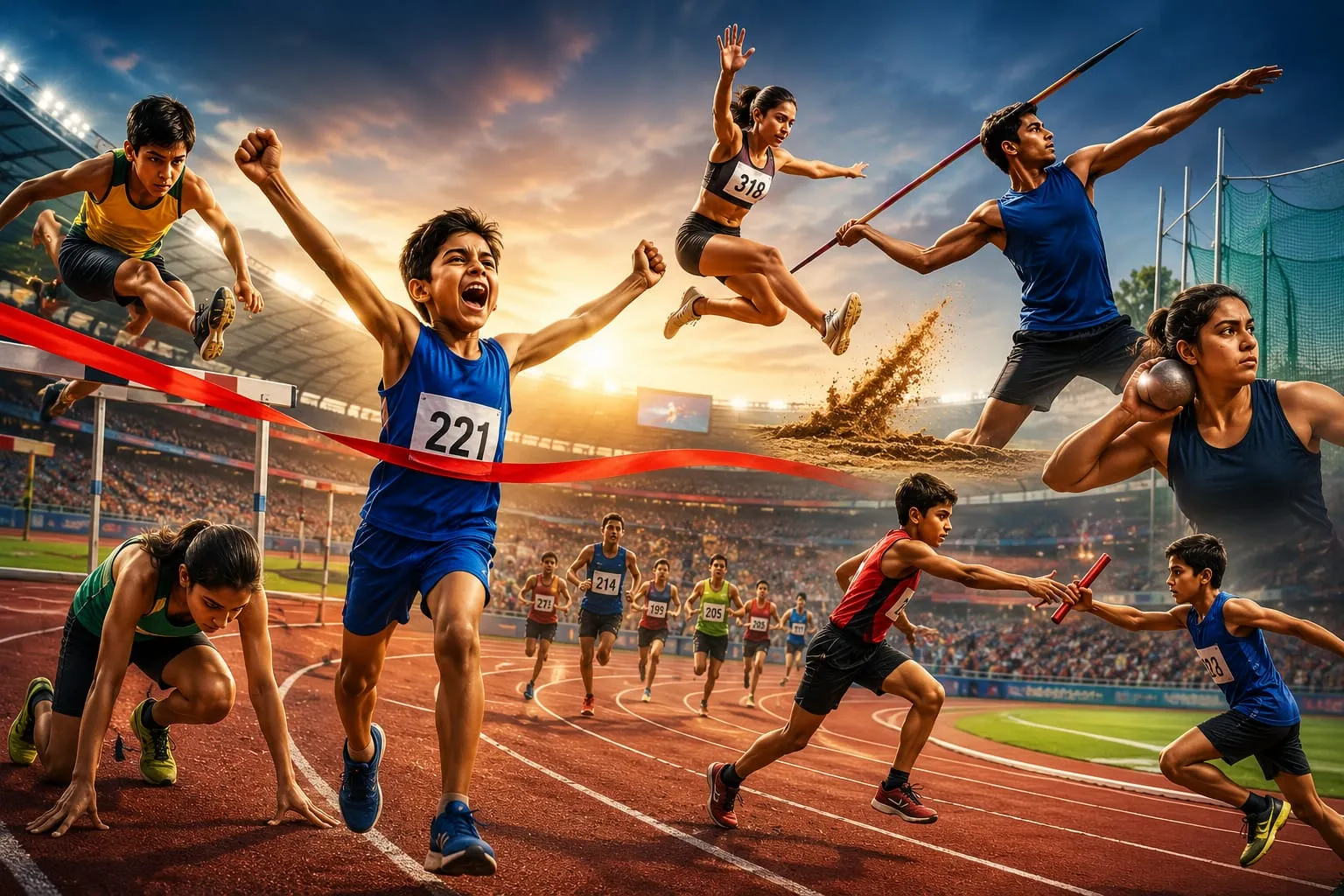
Every race, jump, and throw strengthens more than the body. Athletics nurtures confidence, emotional resilience, discipline, teamwork, and life skills that shape a person for years to come.
"A child who learns to run with confidence today learns to face life's challenges with courage tomorrow."
When Childhood Stops Running, Something Is Lost
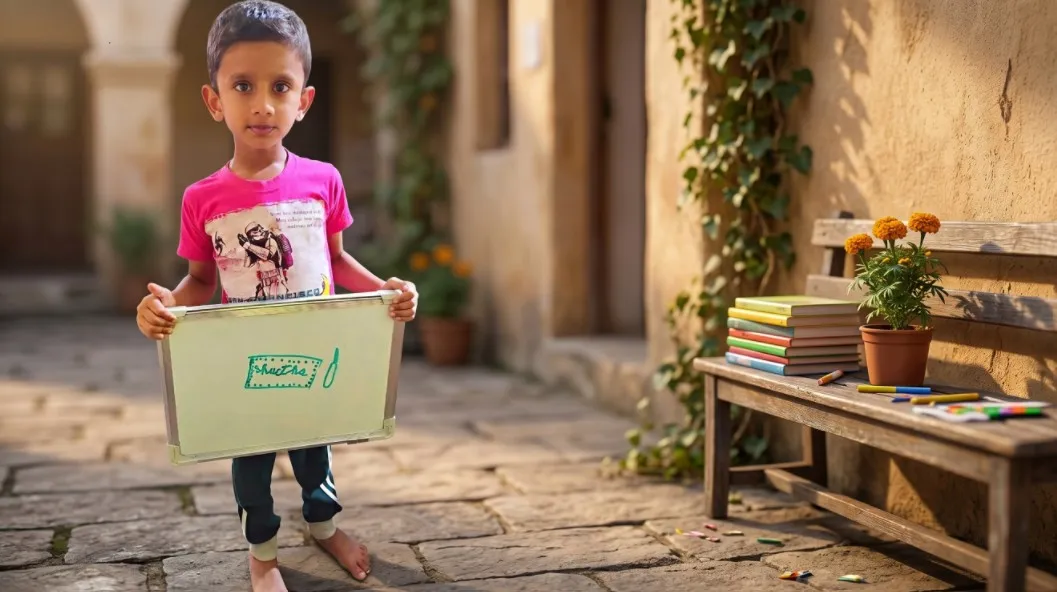
There was a time when childhood meant dusty shoes, scraped knees, loud laughter, and evenings spent on playgrounds. Children ran without worrying about who was watching. They climbed, jumped, chased one another, and returned home tired but happy.
Today, childhood looks very different.
Many children spend more time with screens than on playgrounds. Their school bags have become heavier, their schedules have become busier, and free play has slowly disappeared. Even when they have free time, many choose mobile phones over outdoor games.
Parents naturally want the best for their children. They focus on good schools, extra classes, and better marks because they dream of a bright future. Education is important, but in the race for academic success, many children are missing something equally valuable-the opportunity to move, play, explore, and simply enjoy being children.
This is where athletics becomes important.
Athletics is not only about creating champions or winning medals. It is about helping children grow into healthy, confident, emotionally strong, and disciplined human beings.
Athletics: The Foundation of Every Sport
Athletics is often called the mother of all sports, and for a good reason.
Almost every sport depends on the basic skills that athletics develops-speed, strength, balance, flexibility, endurance, coordination, and agility.
Athletics includes a variety of events, each helping children grow in different ways.
Track events include sprinting, middle-distance running, long-distance running, relay races, hurdles, and race walking.
Field events include long jump, high jump, triple jump, pole vault, shot put, discus throw, javelin throw, and hammer throw.
There are also combined events, such as the decathlon and heptathlon, which test a wide range of athletic abilities.
Whether a child dreams of playing cricket, football, badminton, basketball, hockey, volleyball, or tennis, athletics gives them the physical foundation needed to perform better.
Before children become great players, they first become good movers.
Every Event Teaches Something Beyond the Game
Every athletic event strengthens the body in its own way, but it also teaches valuable life lessons.
Running improves heart health, stamina, and lung capacity. It teaches determination, consistency, and the courage to keep moving forward even when the finish line feels far away.
Relay races teach teamwork and trust. Children learn that success is not only about individual performance but also about supporting others.
Long jump and high jump improve balance, flexibility, and coordination. They encourage children to overcome fear and believe that they can go beyond their limits.
Shot put, discus throw, and javelin throw develop strength, focus, patience, and body control. Children realise that success depends not only on power but also on technique and discipline.
Long-distance running and race walking teach endurance. They remind children that life is not always a sprint. Sometimes, patience and consistency matter more than speed.
Every event carries a lesson that children will use far beyond the sports field.
When the Body Moves, the mind grows.
Many people think sports only make children physically fit.
The truth is much deeper.
When children run, jump, and play, their brains release chemicals called endorphins, often known as the "feel-good hormones." These natural chemicals help reduce stress, improve mood, lower anxiety, and create a feeling of happiness.
Regular physical activity also improves blood circulation, allowing more oxygen to reach the brain. This helps children concentrate better, remember what they learn more effectively, and think more clearly.
Research has shown that physically active children often sleep better, manage emotions more calmly, and perform better academically because their minds remain fresh and focused.
Sometimes, the best way to help a stressed child is not another hour of study.
It is an hour on the playground.
The Playground Teaches Lessons No Classroom Can
Schools teach children mathematics, science, languages, and history.
Playgrounds teach them how to live.
A child who loses a race learns to accept disappointment with grace.
A child who wins learns humility.
A child waiting for their turn learns patience.
A child helping a teammate learns kindness.
A child who falls and gets back up learns resilience.
These lessons cannot be measured in report cards, but they shape the kind of person a child becomes.
Confidence, leadership, discipline, teamwork, respect, emotional control, and perseverance are not developed through lectures alone.
They grow naturally through sports.
Sports Build Stronger Relationships Too
One of the greatest gifts of athletics is that it brings people together.
Children make friends, learn to communicate, solve disagreements, and celebrate each other's achievements. They realise that healthy competition is not about defeating others but about becoming a better version of themselves.
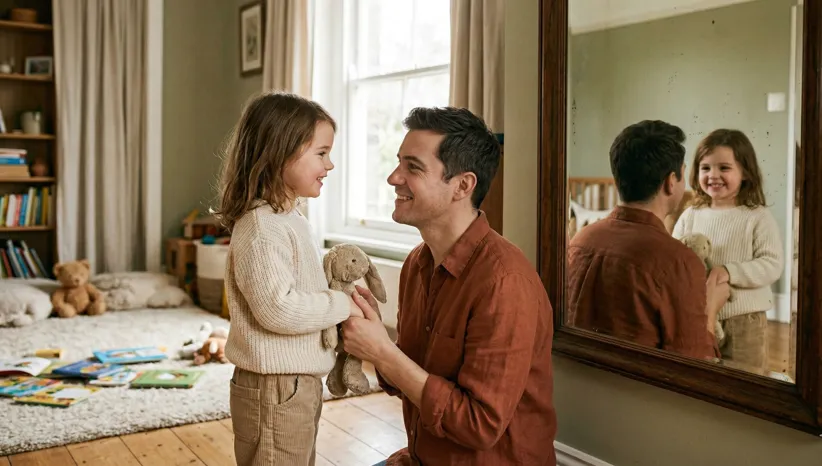
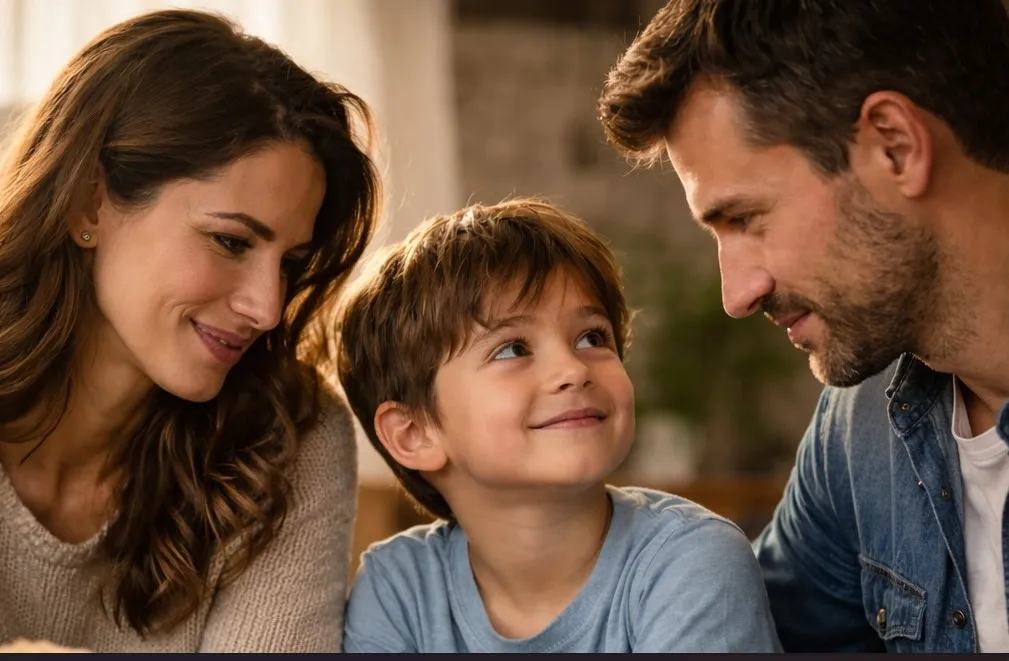
Sports also strengthen family relationships. A parent cheering from the sidelines, a teacher encouraging a student after a defeat, or friends celebrating a small victory together creates memories that children carry throughout their lives.
Sometimes, a simple game does more to build confidence than hours of advice.
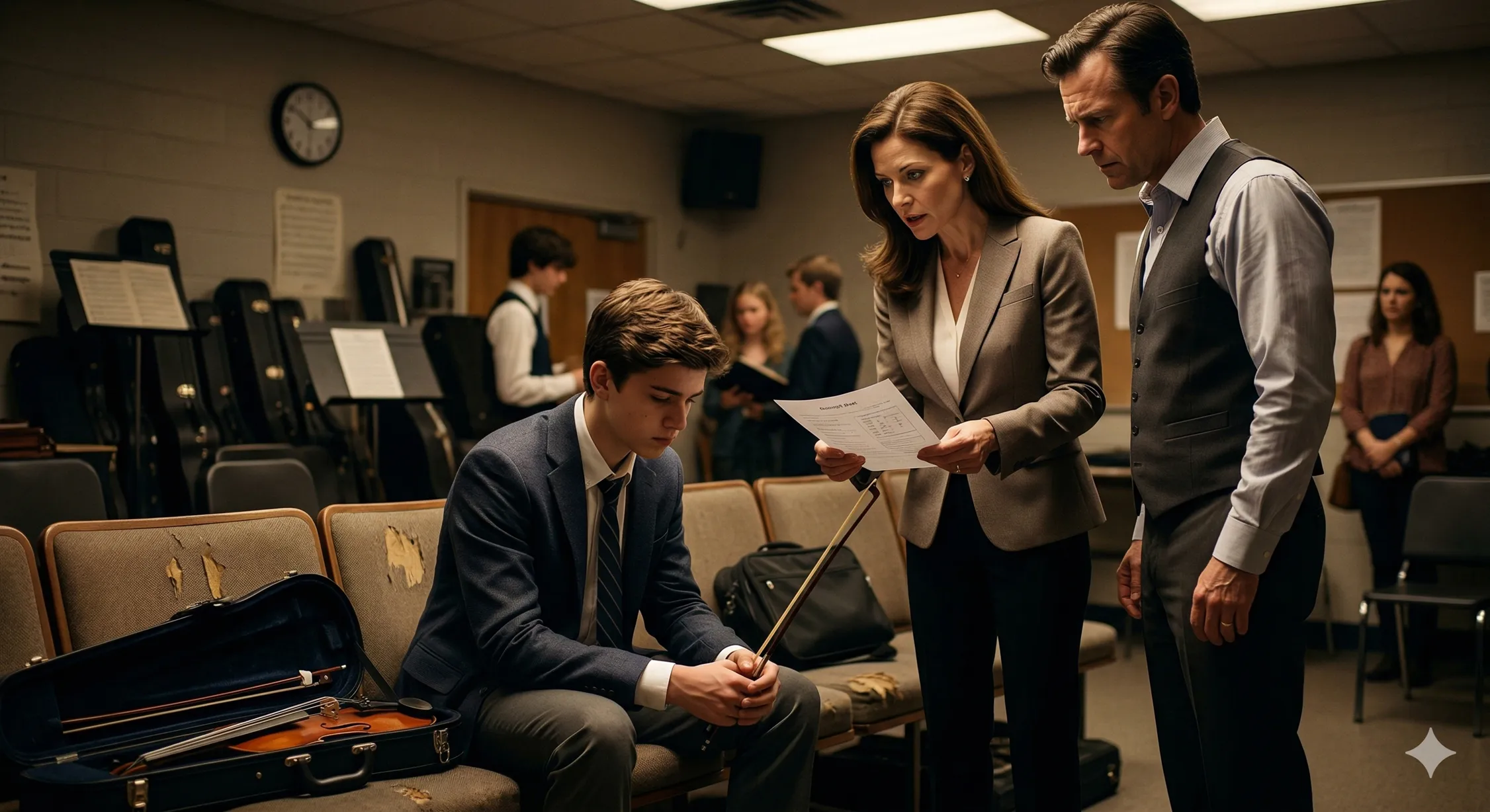
Sometimes, one encouraging word after a race stays in a child's heart for years.
Parents Need Happy Children, Not Just High Scorers
Many parents worry that spending time on sports will reduce study time.
In reality, children who balance academics with physical activity often become more disciplined, focused, emotionally balanced, and confident. They learn to manage time better and handle pressure more effectively.
Not every child needs to become an Olympic athlete.
Not every child needs to win medals.
But every child deserves the opportunity to run, jump, throw, play, laugh, and discover their own potential.
Childhood should not be remembered only through exams and report cards.
It should also be remembered through playgrounds, friendships, and moments of joy.
A Gift That Lasts a Lifetime
Years later, children may forget the score of a race.
They may not remember every medal they won or every match they played.
But they will remember how sports made them feel.
They will remember the confidence they discovered after completing a difficult race.
They will remember the courage to stand up after falling.
They will remember the friendships they built and the lessons they learned without anyone teaching them from a book.
That is the true beauty of athletics.
It shapes the body, strengthens the mind, builds character, and prepares children for life's biggest challenges.
Because in the end, a playground never builds only athletes-it builds healthier bodies, stronger minds, kinder hearts, and better human beings.
"The greatest victory in athletics is not standing on a podium. It is helping a child grow into a confident, compassionate, and resilient human being who is ready to face life with courage."