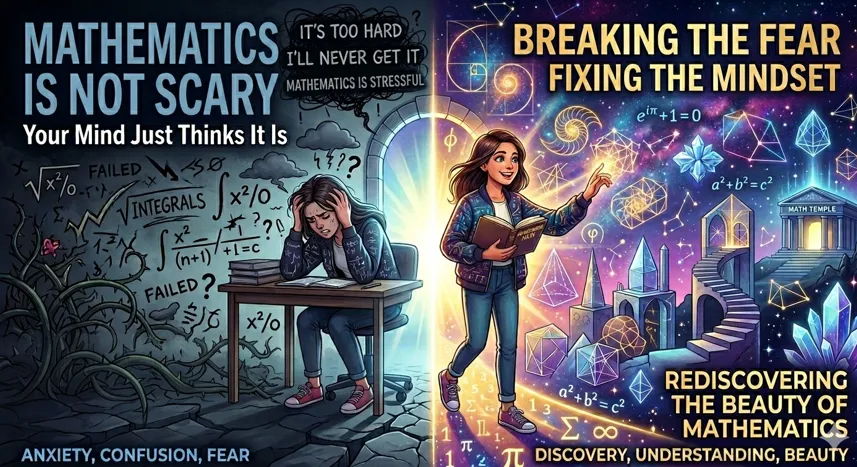
Math Is Not Scary - Your Mind Just Thinks It Is
Breaking the fear, fixing the mindset, and rediscovering the beauty of mathematics
By Shwetha B R | 01, Apr, 2026 12:29 PM
Introduction:
The Fear That Was Never About Math. For many students, mathematics is not just a subject; it is a source of fear.
The moment they see numbers, something changes.
Their confidence drops. Their minds freeze.
And a simple thought starts repeating:
“I can’t do this.”
But here’s the truth most people miss. The fear is not about mathematics. It is about how the mind has learned to see mathematics.
Mathematics is not built to confuse you.
It is built on logic, patterns, and simple steps.
As Shakuntala Devi beautifully said:
“Without mathematics, you can do nothing. Everything around you is mathematics.”
So the real question is not “Why is math hard?”
It is “Why does it feel hard?”
Mathematics Is Already a Part of Your Life
Before calling math difficult, pause and observe your daily life.
You already use it:
- While calculating expenses
- While cooking and measuring
- While planning time or travel
- Even while playing games or sports
Mathematics is not limited to textbooks.
It is quietly present in everything you do.
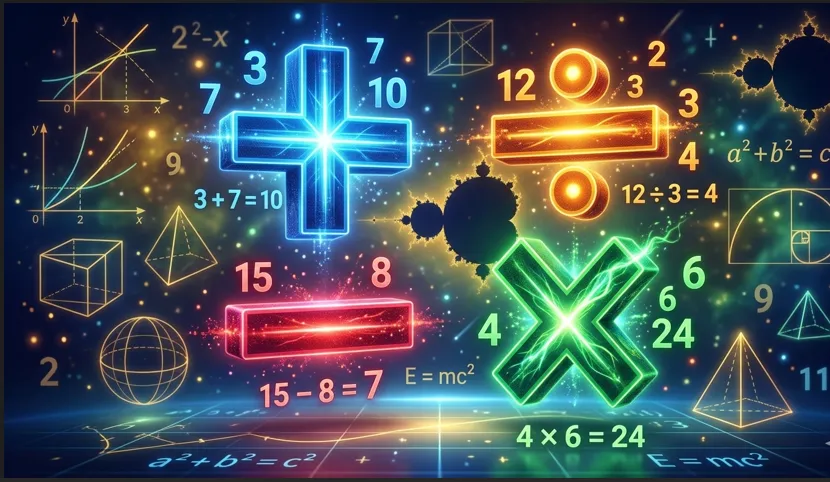
Even nature follows mathematical patterns from the symmetry of flowers to the structure of honeycombs.
As Galileo Galilei said:
“Mathematics is the language in which the universe is written.”
The Real Psychology Behind Math Fear
Math fear does not start in one day. It builds slowly through experiences.
1. Early Failure Creates a Mental Block
When a child struggles in the beginning, the brain stores that as a negative experience.
Later, even simple problems trigger fear.
2. Repeated Negative Labels
Words like :
- “You are weak in math.”
- “Math is difficult” becomes a belief.
And once the mind believes something, it starts proving it true.
3. Fear of Judgment
Students are not always afraid of math.
They are afraid of:
- Being wrong
- Being compared
- Being embarrassed
So instead of trying, they avoid.
4. Lack of Conceptual Clarity
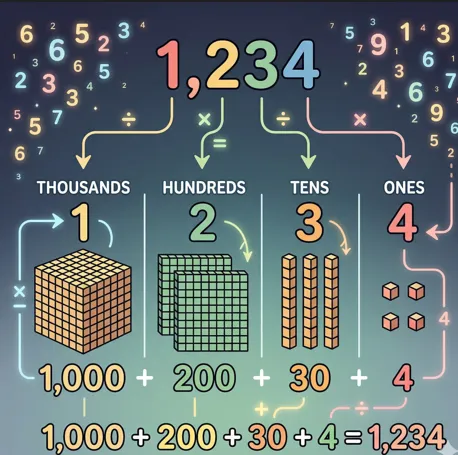
When the basics are not strong, every new topic feels confusing.
This creates a cycle:
Confusion → Fear → Avoidance → More confusion
5. Pressure and Perfectionism
Trying to be perfect increases stress.
And a stressed brain cannot think clearly.
As A. P. J. Abdul Kalam said:
“Don’t fear failure… even success starts with zero.”
Common Misconceptions That Increase Fear
Many students grow up believing:
- Math is only for intelligent people
- You must be fast to be good
- If you are weak once, you will always be weak
- Math is about memorising formulas
These are not facts. They are myths.
Mathematics is not about speed or memory.
It is about understanding and practice.
How to Break the Fear (What Actually Works)
Start Small and Build Slowly
Go back to basics without feeling ashamed.
Confidence grows when the mind understands, not when it rushes.
Change the Way You Learn
Use:
- Visual methods
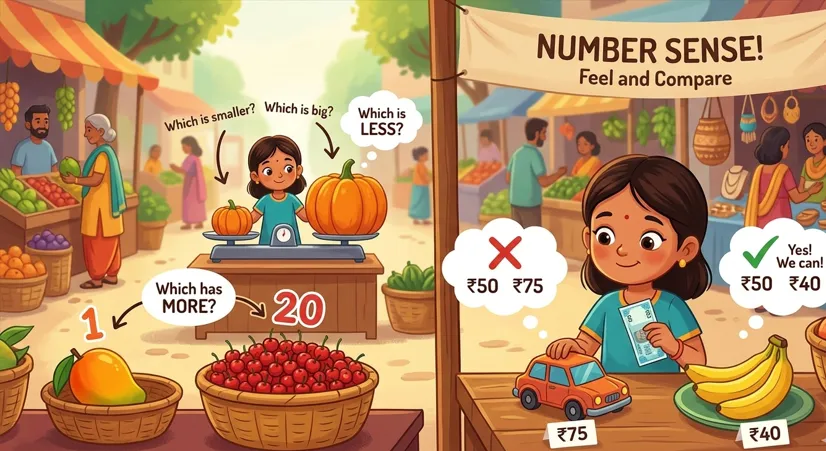
- Real-life examples
- Games and puzzles
When learning becomes interesting, fear reduces naturally.
Allow Mistakes
Mistakes are not failure.
They are part of learning.
In fact, every correct solution comes after many wrong attempts.
Create a Positive Environment
This is critical.
When students feel safe:
- They ask questions
- They try without fear
- They improve faster
Practice Consistently, Not Perfectly
Math is like a muscle.
The more you use it, the stronger it becomes.
Role of Parents and Teachers (Often Ignored but Powerful)
Children don’t just learn math from books.
They learn attitudes from adults.
If parents say, “Math is difficult,”
The child believes it.
If teachers create fear,
Students stop trying.
But when adults :
- Encourage effort
- Avoid comparison
- Appreciate little progress
Children start believing in themselves.
A New Way to See Mathematics
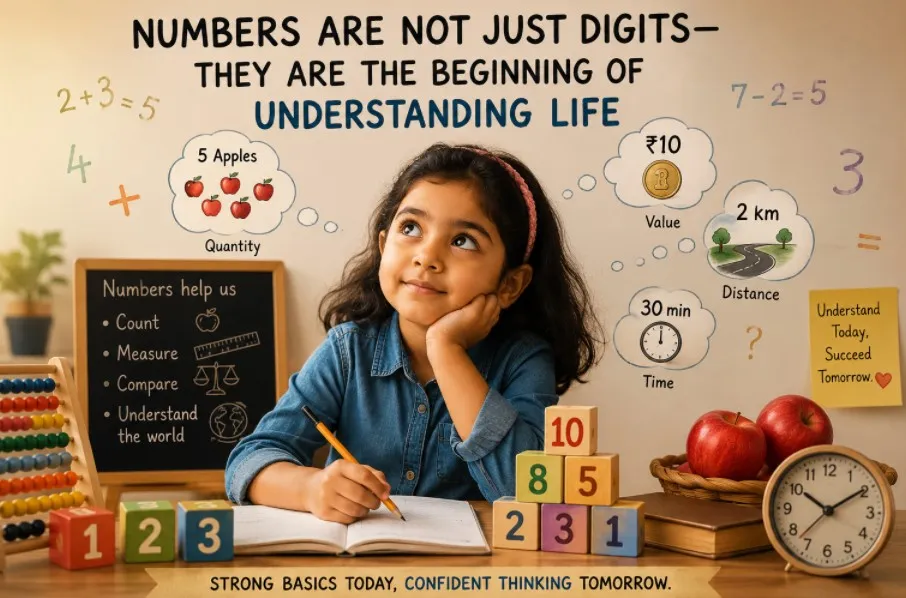
Mathematics is not a subject to fear. It is a tool to understand the world. It teaches:
- Logical thinking
- Problem-solving
- Patience
- Confidence
As Albert Einstein once said,
“Do not worry about your difficulties in mathematics. I can assure you mine are still greater.”
Conclusion: From Fear to Fascination
Math fear is real, but it is not permanent.
It is not a sign of inability.
It is a sign of misunderstanding, pressure, and past experiences.
When the mindset changes, everything changes.
With the right support, patience, and approach,
Any student can improve.
Because mathematics is not about being perfect.
It is about trying, understanding, and growing.
So the next time you see a math problem, don’t step back.
Pause.
Think.
Try.
And slowly, you will realise
Mathematics was never your enemy.
It was just waiting to be understood.
Your Voice Matters:
What has been your experience with mathematics?
Have you ever feared it… or learned to enjoy it?
What helped you change your mindset?
Feel free to share your thoughts and experiences.
Your feedback matters more here; it can inspire and help someone else.
Thank you for taking the time to read this article.